If you are experiencing domestic violence in Dubai, you have concrete legal protections available to you right now. The UAE has built a comprehensive framework of laws, enforcement mechanisms, and support services designed to keep victims safe — and a landmark 2024 update to federal law has made those protections stronger than ever. This guide walks you through every step, from making an emergency call to securing a long-term court protection order, so you know exactly what to do and where to turn.
- What UAE Law Defines as Domestic Violence
- Step 1: Get to Safety First
- Step 2: Report the Abuse Through the Right Channel
- Step 3: Apply for a Protection Order (Restraining Order)
- Step 4: Access Shelters and Support Services
- Step 5: Understand Your Rights in Criminal and Civil Proceedings
- Practical Safety Planning
- Key Contacts at a Glance
- Final Word
What UAE Law Defines as Domestic Violence
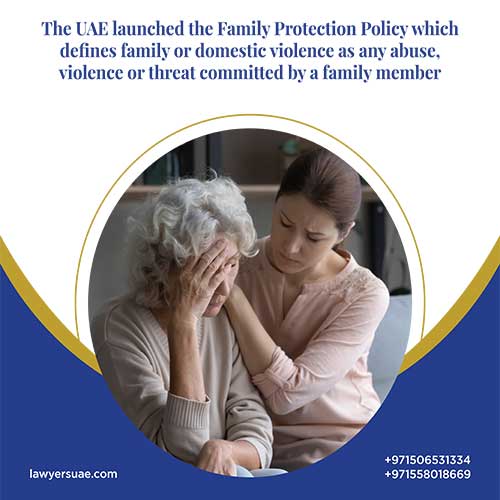
Domestic violence in the UAE is not limited to physical assault. Under Federal Decree-Law No. 13 of 2024 on Protection from Domestic Violence — which replaced and expanded key provisions of the earlier 2019 legislation — abuse is defined as any physical, psychological, sexual, or economic harm inflicted by one family member against another that exceeds the bounds of lawful guardianship or responsibility.
The law applies across a wide circle of family relationships: spouses, children, parents, relatives up to the fourth degree, step-relations, and persons under a family member’s custody or guardianship. Critically, the 2024 update explicitly addresses non-physical forms of abuse — verbal threats, financial control, and psychological coercion are recognized as violations under the same statute as physical violence. For a plain-language breakdown of how the law works in practice, this guide from James Berry Law is a useful starting point.
This broad definition matters because many survivors do not initially recognize their situation as legally actionable. Economic abuse, persistent threats, or psychological intimidation are all grounds for legal protection in the UAE — not just bruises.
Step 1: Get to Safety First
If you or your children are in immediate danger, call 999. Dubai Police can respond quickly, remove the abuser from the home if necessary, and initiate emergency protective measures on the spot. This single call can set the entire protective legal process in motion.
For situations that are serious but not immediately life-threatening, the Dubai Police non-emergency line (901) allows you to speak with an officer, begin a report, and understand your options without the pressure of an emergency call.
While ensuring your safety, start building your evidentiary record whenever it is safe to do so. Photograph injuries, preserve threatening messages, note the dates and times of incidents, and seek medical attention — hospital reports carry significant weight in UAE legal proceedings.
Step 2: Report the Abuse Through the Right Channel
You can report domestic violence in Dubai through several channels, and the law protects both victims and anyone else who reports abuse on their behalf from retaliation.
Dubai Police — Specialist Protection Unit
The Child and Women Protection Department within Dubai Police’s General Department of Human Rights is the primary specialist unit for domestic violence cases. You can reach them directly at 04 274 4666 or by email at cwprotaction@dubaipolice.gov.ae. Officers in this unit are trained specifically for these cases and can initiate protective measures alongside your report.
Dubai Police also operates the “Speak Out” digital platform through its Victim Support section — a confidential online reporting tool for those who are not yet ready to walk into a police station or make a phone call.
Anonymous Reporting via Al Ameen
If you are not ready to file a formal report, the Al Ameen Service — reachable at 800 4444 — allows fully anonymous tip submission, managed by Dubai Police. This is particularly valuable in the early stages when a survivor needs information and protection without immediately triggering a formal criminal process.
DFWAC and Other Hotlines
The Dubai Foundation for Women and Children (DFWAC) operates a 24/7 helpline at 800 111. DFWAC is Dubai’s flagship non-profit shelter and support organization for women and children facing domestic violence, child abuse, or trafficking. A call to their helpline connects you with trained staff who can arrange immediate shelter, counselling referrals, and guidance through the reporting process.
Additional UAE-wide resources accessible from Dubai include:
- Community Development Authority (CDA): 800 988 — government counselling and family support
- EWAA National Helpline: 800 7283 — 24/7 shelter referrals across the UAE
- Ministry of Community Development: official family violence reporting channels across all emirates
Once a report is made, authorities are legally obligated to investigate and take measures to protect you. That may include immediate placement in temporary shelter or referral to a family support centre.
Step 3: Apply for a Protection Order (Restraining Order)
The protection order is one of the most powerful legal tools available to domestic violence survivors in the UAE. Understanding how it works — and how to get one — is essential.
How Protection Orders Are Issued
Under the UAE Domestic Violence Law, there are two tiers of protection orders:
Public Prosecution Orders can be issued on the prosecutor’s own initiative, at the request of a social support centre, or directly at your request. These initial orders typically last up to 30 days and can be extended twice for similar periods while the case develops.
Court-Issued Orders can extend protection for up to 6 months, or until the final judgment in a related criminal case, whichever is longer. Courts base these orders on the evidence presented — medical reports, witness statements, and digital communications all strengthen your application.
What a Protection Order Can Require
The conditions attached to a protection order can be tailored to your situation. Common provisions include:
- Prohibiting the abuser from contacting you by any means
- Ordering the abuser to stay away from your home, workplace, or other specified locations
- Barring the abuser from damaging your property or that of your children
- Permitting you to retrieve personal belongings from a shared residence
- Requiring the abuser to provide financial support during the protection period
- Mandating counselling or rehabilitation for the abuser
Both parties are formally notified of the order. Violating its terms carries serious penalties — fines of 5,000 to 10,000 AED or more, and potential imprisonment, with harsher consequences for violent breaches.
How to Apply
The pathway runs: police report → social support centre → Public Prosecution or court. In urgent cases, emergency protection can sometimes be fast-tracked within 24 hours. The DFWAC legal aid team offers free legal advice and court accompaniment specifically for domestic violence victims if you need help navigating this process.
Step 4: Access Shelters and Support Services
Physical safety is the immediate priority, but recovery requires ongoing support. The UAE’s support infrastructure extends well beyond emergency response.
Emergency Shelter
DFWAC operates Dubai’s first licensed non-profit shelter for women and children facing domestic violence, abuse, or trafficking. Beyond accommodation, the shelter provides psychological counselling, legal guidance, rehabilitation programming, and help with practical matters like children’s schooling. Police and hotline operators can refer you directly.
The EWAA network provides additional safe accommodation across the UAE, with referrals coordinated through MOCE and local police.
Counselling and Rehabilitation
Victims have an explicit legal right to medical care, psychological support, and access to legal information. The Community Development Authority’s Family Development Centres offer counselling and mediation services throughout Dubai. For longer-term recovery, the Ministry of Community Development’s rehabilitation programmes provide structured post-protection support.
Courts can also order rehabilitation for perpetrators as part of a criminal sentence — a provision that reflects the law’s emphasis on breaking cycles of abuse, not just punishing individual incidents.
Step 5: Understand Your Rights in Criminal and Civil Proceedings
Reporting domestic violence can lead to criminal prosecution of the abuser. Penalties under UAE law include:
- Imprisonment (ranging from months to years, depending on the severity and nature of the offence)
- Fines of up to 50,000 AED or more for serious cases
- Mandatory rehabilitation orders
You also have the right to pursue civil compensation for harm suffered. The Dubai Courts Victim Support services provide information on court accompaniment, compensation claims, and the protections available to you throughout the proceedings.
One important protection worth knowing: UAE law imposes strict penalties on anyone who coerces, pressures, or intimidates a victim into withdrawing a complaint — a provision that directly addresses one of the most common ways abusers attempt to derail legal proceedings.
For Expatriates
UAE domestic violence law applies to all residents regardless of nationality. If your immigration status is tied to the abuser’s sponsorship, authorities may assist with sponsorship changes in severe cases. Do not let visa concerns prevent you from seeking help — support services are available to all residents.
Practical Safety Planning
Regardless of where you are in the process, having a safety plan dramatically improves your ability to act quickly in a crisis. Consider the following:
- Document and store evidence safely. Keep photos, medical reports, and records of communications in a secure location — digitally with a trusted person outside the home is often safest.
- Identify safe places. Know where you can go immediately if you need to leave — a trusted friend, a family member, or directly to a shelter.
- Prepare an emergency bag. Keep important documents (passport, residency visa, birth certificates), cash, a phone charger, and a set of keys accessible.
- Know your contacts. Save 999, 800 111 (DFWAC), and 800 4444 (Al Ameen) in your phone — or memorise them.
The UAE Government’s family protection resources page offers safety-planning guidance in both Arabic and English, and is regularly updated.
Key Contacts at a Glance
| Service | Contact |
|---|---|
| Police Emergency | 999 |
| Dubai Police (Women/Child Protection) | 04 274 4666 |
| DFWAC Helpline (24/7) | 800 111 |
| Al Ameen Anonymous Reporting | 800 4444 |
| EWAA National Helpline | 800 7283 |
| Community Development Authority | 800 988 |
| Dubai Police Non-Emergency | 901 |
Final Word
The UAE’s legal framework for domestic violence protection is comprehensive, and it has been meaningfully strengthened by the 2024 federal law update. Restraining orders, criminal prosecution, civil compensation, free shelter, legal aid, and psychological support are all available to you — the system is designed to be used.
If your situation involves children, custody disputes, divorce, or specific residency concerns, a lawyer experienced in UAE family and criminal law can help you navigate those dimensions alongside the protective measures described here. Many firms offer initial consultations, and DFWAC’s free legal aid service is specifically designed for exactly these situations.
Important Disclaimer: This article provides general information based on publicly available UAE federal laws and official resources. It is not personalized legal advice. Laws can evolve, and outcomes depend on individual circumstances. If you are in danger, prioritize your safety first and contact authorities immediately.